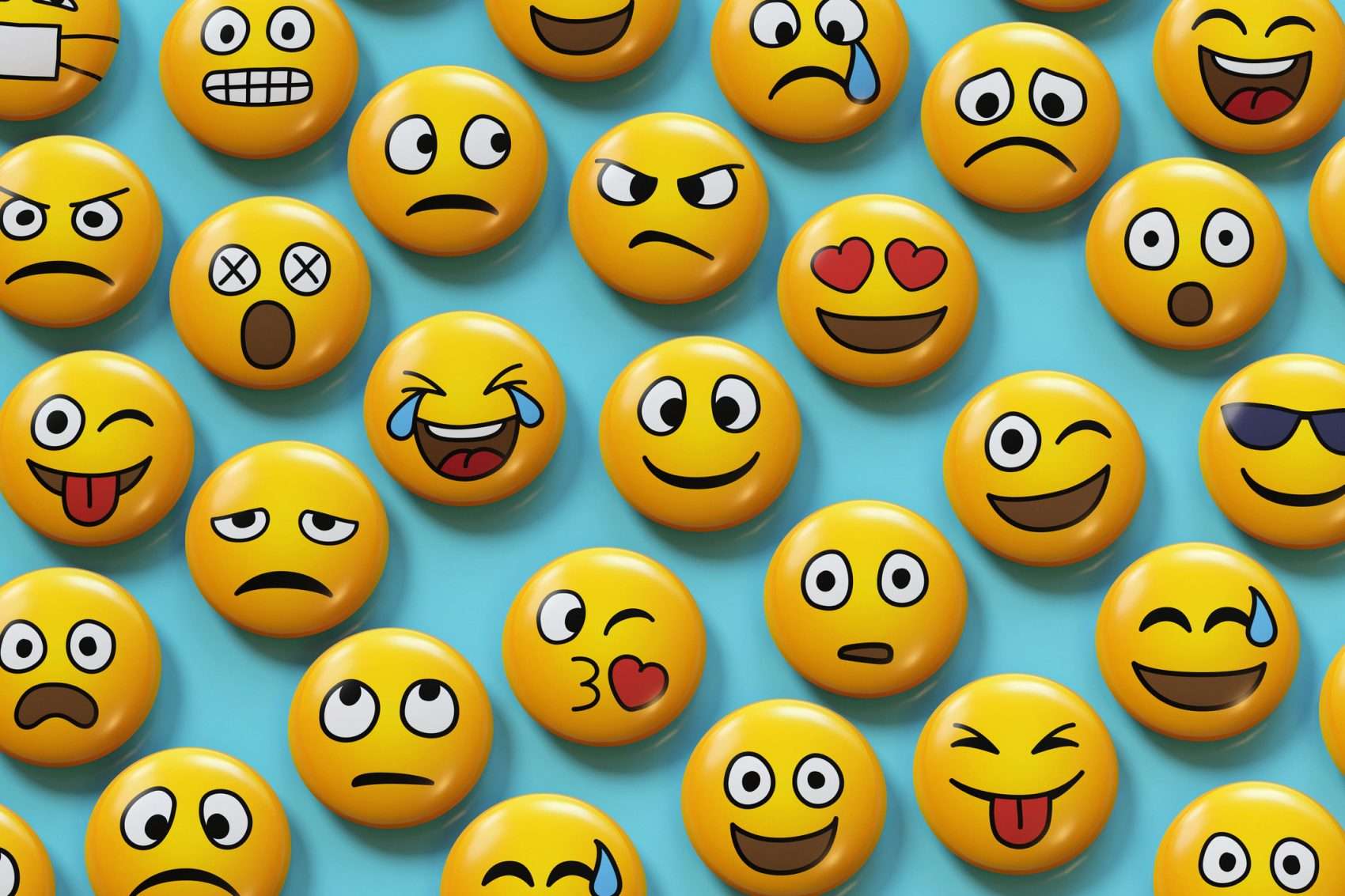

The digital landscape of social media is in constant flux, with new trends and communication styles emerging each year. One element that has proven remarkably consistent in its impact and evolution is the emoji. As we move towards 2025, understanding the nuances of emoji usage is more critical than ever for individuals and brands looking to connect authentically and effectively with their audiences. This blog post will delve into the social media scene of 2025, explore why emojis continue to be a powerful communication tool, decode the evolving emoji landscape, and provide best practices and inspiring examples to help you master the art of emoji usage in the coming year.
The Social Media Scene in 2025: A Quick Look
The social media landscape in 2025 will continue to be shaped by several key trends that influence how we communicate. Short-form video content is expected to maintain its dominant position on platforms like TikTok, Instagram Reels, and YouTube Shorts. This format thrives on brevity and visual appeal, making emojis an indispensable tool for quickly conveying emotions and information within a limited timeframe. Given the rapid pace of consumption on these platforms, emojis serve as visual cues that capture attention and enhance the message’s impact within mere seconds.
Furthermore, consumers are increasingly seeking authentic and transparent content from the brands they interact with. Emojis play a crucial role in humanizing brand communication and building more relatable personas. In an era where audiences can easily discern inauthentic marketing, the genuine and thoughtful use of emojis that reflect a brand’s true voice and values can foster trust and create a stronger connection. This aligns with the rise of micro-influencers, who are often perceived as more relatable and trustworthy due to their authentic connection with their audience.
Another significant trend in 2025 is the growing preference for niche communities on platforms like Reddit, Discord, and private groups, alongside the rise of AI-driven personalized feeds. Understanding the specific emoji usage and cultural nuances within these smaller, more focused communities will be paramount for effective engagement. Different online communities often develop their own unique communication styles, including distinct ways of using emojis. Brands looking to connect with these audiences must be aware of these nuances to communicate effectively and avoid missteps.
Finally, artificial intelligence will play an even larger role in content creation, personalization, and social listening. While AI tools can assist in identifying relevant hashtags and even generating content, the human touch, particularly the nuanced use of emojis to convey emotion and intent, will remain essential for building genuine connections with audiences. AI might automate certain aspects of content creation, but it may lack the emotional intelligence to use emojis effectively, underscoring the continued importance of human oversight.
Why Emojis Still Reign Supreme
Despite the evolving social media landscape, emojis continue to be a powerful tool for several key reasons. Firstly, they significantly enhance engagement and visibility. Studies have consistently shown that social media posts incorporating emojis experience higher engagement rates across various platforms. For instance, the inclusion of emojis in Facebook posts can lead to an increase in engagement by as much as 57%. In the visually saturated environment of social media in 2025, emojis help content stand out and capture the fleeting attention of users. The human brain processes images faster than text , making these small visual elements highly effective in drawing the eye and increasing the likelihood of interaction.
Secondly, emojis excel at conveying tone and emotion in digital communication. Unlike face-to-face interactions, online text often lacks the non-verbal cues that provide context and emotional depth. Emojis bridge this gap by adding visual representations of feelings, clarifying intent, and effectively conveying nuances like sarcasm, excitement, or humor. As online communication continues to dominate, emojis remain essential for ensuring messages are received in the intended spirit and preventing potential misinterpretations that can arise from purely text-based exchanges.
Finally, emojis simplify communication and act as a near-universal visual language. They can convey complex ideas or concepts concisely and transcend language barriers in a globalized online world. In 2025, with diverse audiences from around the globe interacting on social media, emojis will continue to be invaluable for making messages more accessible and fostering understanding across different linguistic and cultural backgrounds. Their visual nature allows for a more direct and often more efficient way of conveying meaning, especially when communicating with individuals who speak different languages.
Decoding the Emoji Landscape of 2025
The emoji landscape in 2025 will feature both new additions and evolving interpretations of existing icons. Apple’s iOS 18.4 update, introduces eight new emojis, including the “face with bags under eyes” , fingerprint , splatter , radish, flag of Sark 🇨🇶, leafless tree , harp , and shovel .

The “face with bags under eyes” emoji is already being touted as potentially the most popular of the year, likely resonating with the collective feeling of exhaustion in modern life. Other potential new emojis that might gain approval later in 2025 include a distorted face, fight cloud, Bigfoot, apple core, ballet dancer, orca, trombone, landslide, and treasure chest. Social media managers and content creators will need to stay informed about these new additions to understand their potential meanings and integrate them effectively into their communication strategies.
It is equally important to recognize that the meanings of existing emojis can evolve over time, often influenced by internet culture, memes, and generational trends. For example, the slightly smiling face 🙂 can be interpreted as either genuinely friendly or patronizing and passive-aggressive. The folded hands emoji 🙏 can signify gratitude, prayer, or even a high-five, depending on the context. Among Gen Z, the skull emoji 💀 has become a popular way to express humor akin to “laughing so hard I’m dead,” sometimes replacing the traditional crying laughing emoji 😂. Conversely, some emojis like the enraged face 😡, the use of “RIP” outside of its literal meaning, “WTF,” the pleading face 🥺, and the thinking face 🤔 are predicted to lose popularity or even gain negative connotations due to overuse or perceived inauthenticity. A deep understanding of these evolving interpretations is crucial to avoid miscommunication and ensure that messages resonate positively with the intended audience.
|
Name
|
Potential Meaning(s)
|
Possible Use Cases for Social Media
|
|---|---|---|
|
Face with Bags Under Eyes
|
Tiredness, exhaustion, relatability, acknowledging lack of sleep
|
Content about late nights, early mornings, the struggles of modern life; relatable reactions to news or events.
|
|
Fingerprint
|
Security, identity, uniqueness, technology
|
Posts related to cybersecurity, personal identity, new tech features, or unique brand aspects.
|
|
Flag of Sark
|
Representing the island of Sark, potentially used by residents or those interested in unique geographical locations.
|
Content specifically targeting or related to Sark; could be used ironically or for niche travel content.
|
|
Person Tipping Hand
|
Sass, sarcasm, "You're welcome" (often with a hair flip implied)
|
Injecting humor and personality into brand responses or announcements; can be used to convey confidence or a playful attitude.
|
|
Pleading Face
|
Seeking sympathy, affection (potentially overused for attention)
|
Use sparingly and authentically, as overuse can be perceived negatively. Might be suitable for lighthearted appeals or expressing vulnerability in specific contexts.
|
|
Skull
|
Humor (Gen Z slang for "dying" of laughter), sarcasm, edginess
|
Brands targeting younger audiences can use this for humorous content, but should be mindful of potential misinterpretations.
|
|
Splatter
|
Messiness, creativity, abstractness, accidents
|
Content about art, DIY projects, behind-the-scenes glimpses of messy work, or humorous reactions to spills or mishaps.
|
|
Thinking Face
|
Contemplation, questioning, skepticism (potentially losing popularity for deep thought)
|
Can still be used to pose questions to the audience or express mild curiosity, but should be used cautiously to avoid appearing insincere.
|
Emoji Best Practices for Social Media in 2025
To effectively leverage emojis on social media in 2025, it is crucial to adhere to certain best practices. Firstly, ensure that your emoji usage is relevant to your brand’s voice and the preferences of your target audience. A brand known for its fun and playful nature might liberally use emojis like 🎉 or 🥳, while a more serious or professional brand might opt for more subtle options such as ✅ or 📈. Consistent and relevant emoji use enhances brand recognition and fosters stronger connections with the audience.
Secondly, it’s important to consider platform-specific nuances in emoji usage. Platforms like TikTok and Instagram generally embrace emojis more readily than professional platforms like LinkedIn, where a more restrained approach might be advisable. Emojis are particularly prevalent in Instagram captions and TikTok videos, where they contribute to the overall visual appeal and tone. Tailoring your emoji strategy to the specific culture of each platform will help maximize engagement and avoid alienating users.
Thirdly, remember that emojis should complement your text, not replace it. Use them to add emotional depth and visual interest to your content, but ensure that your core message remains clear and concise through your written words. Emojis should enhance understanding and engagement, not create ambiguity.
Avoid the temptation to overuse emojis. Bombarding your audience with too many emojis can make your content appear cluttered and unprofessional. Stick to a few well-placed icons per message to maintain clarity and impact. Strategic and moderate use is far more effective than an overwhelming display of icons.
Consider the strategic placement of emojis to emphasize important points or draw attention to calls to action. For example, using a 🔥 emoji can highlight a limited-time offer, or an arrow emoji can direct users to a link. Thoughtful placement can guide the reader’s eye and increase the effectiveness of key messages.
Be mindful of potential misinterpretations and cultural differences in emoji meanings. Some emojis can have double meanings or culturally specific interpretations that might not be universally understood. When communicating with diverse audiences, it is crucial to be aware of these nuances to avoid unintended offense or confusion.
Finally, consider accessibility when using emojis. Visually impaired users rely on screen readers, which may not always interpret emojis accurately. Placing emojis at the end of your text, avoiding their use as bullet points, and limiting their quantity can help prevent disruption for screen reader users. Providing alt-text descriptions for emoji-rich content can also improve accessibility.
Brands That Get It Right: Inspiring Examples
Several brands have successfully integrated emojis into their social media strategies. Domino’s Pizza, for instance, launched the innovative “Domino’s AnyWare” campaign, allowing customers to order pizza simply by tweeting a pizza emoji 🍕. This campaign not only generated significant buzz but also contributed to a substantial increase in sales and customer engagement. Taco Bell also demonstrated effective emoji marketing with the launch of the taco emoji 🌮. They ran a promotion where fans could message the emoji to receive a free taco, creating excitement and driving engagement around the new emoji.

Apple strategically uses emojis in their product launch announcements to visually represent new features and generate excitement among their audience. Coca-Cola, a global brand, effectively uses emojis like the smiling face with heart eyes and clinking glasses to convey happiness, refreshment, and celebration in their social media campaigns. They have also shown support for social causes by using relevant emojis, such as rainbow hearts ❤️🧡💛💚💙💜 during Pride Month.

Primark, a multinational retailer, consistently uses relevant emojis in their Twitter and Facebook posts to share the latest product additions and discounts, tailoring their approach by using emojis more sparingly on LinkedIn to maintain a professional tone. Duolingo effectively uses emoji-filled personalized reminders via WhatsApp and push notifications to motivate users in their language learning journey. Even B2B companies like Microsoft and Amazon Web Services are incorporating tech-related emojis such as 💻 for software posts or 📈 for business growth updates on LinkedIn to humanize their brand and connect with their professional audience in a more engaging way. These examples highlight the importance of creativity, relevance to the brand and audience, and strategic implementation across different platforms for successful emoji marketing.

Emoji Etiquette: Navigating the Unspoken Rules
Navigating the world of emojis also involves understanding certain unspoken rules and etiquette, which can vary across generations. For instance, the thumbs-up emoji 👍 is often perceived as a positive affirmation by older generations, while Gen Z might interpret it as sarcastic, passive-aggressive, or dismissive. Similarly, while Millennials commonly use the crying laughing emoji 😂 to express humor, Gen Z often prefers the skull emoji 💀, with 😂 sometimes feeling outdated. The winking face emoji 😉 can come across as friendly or playful to Gen X and Millennials but might be seen as cheesy or insincere by Gen Z. Being aware of these generational differences in interpretation is crucial for tailoring your emoji usage to effectively communicate with specific age groups.
There are also certain emojis that are generally advisable to use with caution or even avoid. Emojis like the enraged face 😡, “RIP” (used casually), “WTF,” the pleading face 🥺, and the thinking face 🤔 are predicted to become outdated or carry negative connotations. Ambiguous emojis such as the slightly smiling face 🙂 and folded hands 🙏 require careful contextualization to prevent misinterpretations. Additionally, be extremely cautious with emojis that have potentially suggestive or inappropriate hidden meanings, especially when representing a brand. Staying informed about the evolving connotations of emojis will help maintain a positive brand image and avoid unintended missteps.
While this blog focuses on social media, it’s worth briefly noting that emoji etiquette also extends to the workplace. The appropriateness of using emojis in professional communication can depend heavily on the company culture and the relationship with colleagues. Understanding these norms is important for maintaining a professional image across all digital interactions.
Conclusion
Emojis have solidified their place as a vital communication tool on social media, and their importance will only continue to grow in 2025. By understanding the evolving social media landscape, recognizing the power and nuances of emoji usage, staying informed about new and trending emojis, adhering to best practices, and being mindful of etiquette, individuals and brands can effectively leverage these small icons to enhance their communication, boost engagement, and foster stronger connections with their audiences. As the digital world continues to evolve, so too will the language of emojis, making it an ever-engaging and essential aspect of online interaction.