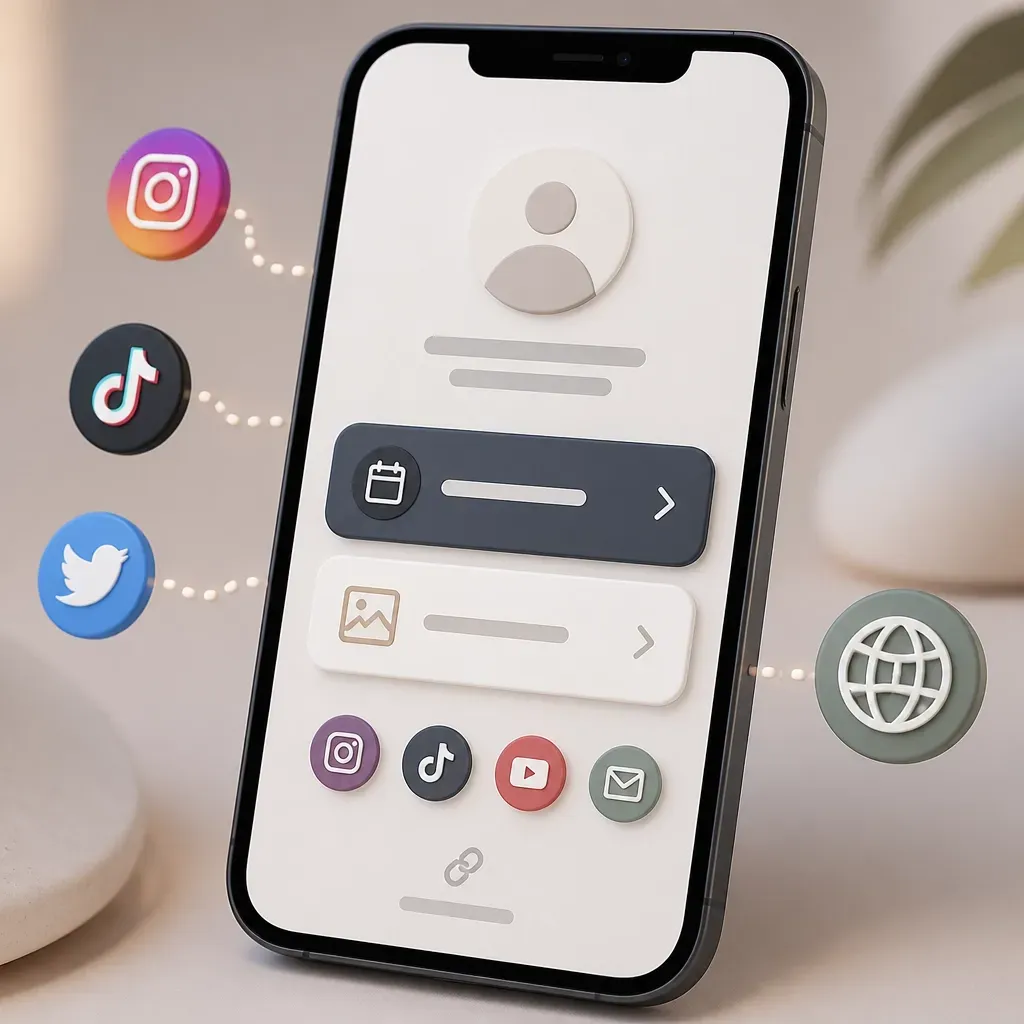

If you’re a local sparky, a plumber, or you run a small independent shop on the high street, you’ve probably heard it a thousand times: "You need to be on social media!" followed shortly by "You need a proper website!"
It sounds like a lot of faff, doesn't it? You’re already busy enough keeping the van stocked or the shelves tidy. But here’s the straight-talking truth: having one without the other is like having a great shop window but locking the front door, or having a brilliant shop hidden in a back alley with no signs pointing to it.
At Donut Pig Digital Marketing, we’ve seen first-hand how much of a difference it makes when these two things talk to each other. Take our caravan park client, for example, by getting their digital strategy sorted, they saw direct bookings jump by 63%.
You don’t need a massive corporate budget to see those kinds of results. You just need a simple plan that makes your brand sizzle like bacon.
The Social Media "Front Door": Why You Need a Digital Billboard
Think of Facebook, Instagram, or TikTok as your digital billboard. It’s where people hang out, and it’s where they’re likely to discover you for the first time. For a trade business, this is where you show off your "Before & After" photos. For a small shop, it’s where you show the new stock that’s just landed.
Social media is brilliant for:
- Building Trust: When a customer sees you posting regularly, they know you’re active and reliable.
- Showing the Human Side: People buy from people. A quick video of you on a job site or explaining a product builds a connection that a boring text advert never could.
- Getting Noticed: It’s the easiest way to get in front of local people without spending a fortune on newspaper ads that end up in the recycling.
But here’s the catch: social media is "rented land." If the algorithm changes or your account gets flagged, your audience vanishes. That’s where your website comes in.

The Website "Salesperson": Where the Real Work Happens
If social media is the billboard, your website is your best salesperson. It works 24/7, it doesn’t take tea breaks, and it’s where the actual business happens.
While someone might "Like" your post on Facebook, they’re much more likely to fill out a quote form or book a service on your website. A professional site, like the one we built for NJG Building Solutions, acts as your digital home base. It’s where you own the experience.
A good website for a UK small business should:
- Answer FAQs: Stop answering the same five questions on the phone. Put them on your site!
- Capture Leads: Use a simple contact form or a "Book Now" button.
- Show Authority: This is where you display your professional certifications, your Armed Forces Covenant Gold Award (if you have one!), and your detailed testimonials.
3 Simple Ways to Make Them Work Together
You don’t need to be a tech wizard to get your social media and website in sync. Start with these three practical steps:
1. Use the "Link in Bio" Wisely
Don’t just link to your homepage. If you’re a plasterer talking about a specific damp-proofing job, make sure the link in your social profile goes straight to your damp-proofing service page. Make it as easy as possible for the customer to take the next step.
2. Share Your Website Content on Social
Every time you add a new project to your portfolio or a new product to your shop, post it on social media. Use a high-quality photo and a caption that tells a story, then point them back to the site for the full details. This is exactly how we help our social media management clients keep their feeds fresh and their traffic high.
3. Use Social Proof on Your Website
Don’t let those lovely comments on Facebook go to waste. Take screenshots of five-star reviews or embed your Instagram feed onto your website. It proves to new visitors that you’re the real deal.

Why Consistency is King
Shaun, the owner of Donut Pig, spent 8 years in the RAF. One thing the military teaches you is that consistency and discipline win the day. Marketing is no different.
If your Facebook page looks professional but your website looks like it was built in 1998, you’ll lose trust. Likewise, if you have a stunning website but haven't posted on social media since last Christmas, people will wonder if you’re still in business.
Consistency across both platforms makes you look established and professional. It’s the difference between being "just another bloke with a van" and being the most trusted trade in town.

Getting Started Without the Stress
We know that "marketing" can feel like just another chore on an already long list. That’s why we offer fixed-price, no-faff website and social media services. We take the weight off your shoulders so you can get back to what you do best.
Whether you need a brand-new site that actually works on mobile or someone to take over the daily grind of social media posting, we’ve got your back. We’re a small business ourselves, so we get it, no jargon, no "cringe" sales lines, just honest work that gets results.
Ready to stop guessing and start growing?
Grab a quote today and let’s see how we can make your business the talk of the town (for all the right reasons).
FAQs
Do I really need a website if I have a busy Facebook page?
Yes. You don’t own your Facebook page, and it can be taken away at any time. A website is your own digital property where you control the message and the customer journey.
How often should I post on social media to drive traffic?
Consistency matters more than frequency. Aim for 3-4 high-quality posts a week that provide value or show off your work, rather than posting rubbish every day.
Is it expensive to link my social media and website?
Not at all! Most of the tools to link them (like social icons on your site or "link in bio" tools) are free or very low cost. The real investment is the time to set them up properly.
Can social media really help my website show up on Google?
Indirectly, yes. Social media drives traffic to your site, and Google notices when people are visiting and staying on your pages. It’s all part of showing that you’re a relevant, active business.
I’m a sole trader; is this too much for just one person?
It can be, which is why many trades choose to outsource it. Even spending just an hour a week scheduling posts and checking your website links can make a massive difference.