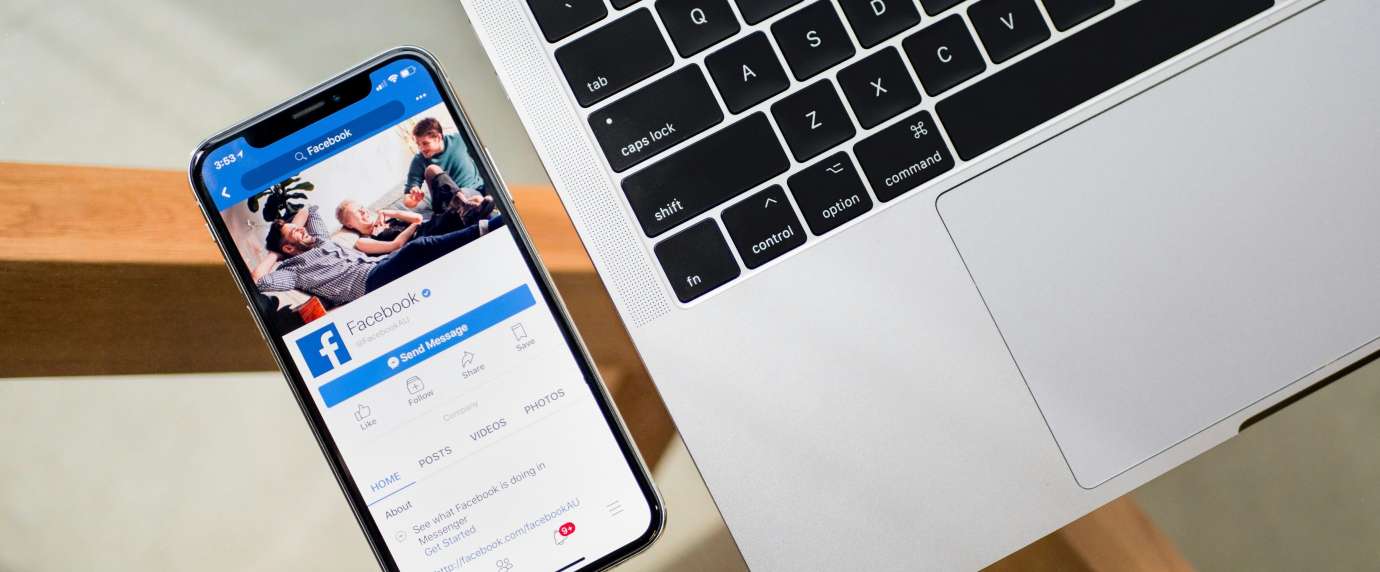

In today’s rapidly evolving digital landscape, new social media platforms constantly emerge, vying for our attention. While it’s tempting to chase every shiny new object, it’s crucial for small business owners in the UK not to overlook the enduring relevance and power of Facebook. This established platform continues to offer unparalleled opportunities for reaching a vast audience, building a loyal customer base, driving sales, and fostering strong brand recognition. This guide will delve into why Facebook remains a vital tool for your small business in 2025 and provide actionable strategies you can implement to effectively use the platform and truly make it your own.
The Undeniable Power of Facebook for UK Small Businesses
Massive Reach and Active User Base in the UK
The sheer scale of Facebook’s user base in the United Kingdom presents an undeniable opportunity for businesses of all sizes. In January 2025, the platform hosted a remarkable 55.9 million users within the UK, accounting for 80.9% of the entire population. This figure, while slightly down from the 56.6 million users recorded in March 2024 (representing 81.9% of the population) , still signifies that a substantial majority of the UK population actively uses Facebook. Considering that approximately 89% of UK internet users engaged with social media apps or sites in 2023 , it becomes clear that Facebook captures a significant portion of this highly engaged online audience.
While it’s true that newer platforms might attract younger demographics, Facebook maintains a strong presence across various age groups in the UK. Notably, the 25-34 age group remains the largest demographic on the platform. This broad appeal across different age segments means that regardless of your target market, a significant portion of your potential customers are likely to be active on Facebook. The consistently high number of individuals using the platform suggests that for businesses aiming to connect with a wide and diverse customer base within the UK, Facebook offers an unparalleled avenue for direct engagement and outreach. Its maturity and widespread adoption across different age groups establish it as a stable and reliable platform for businesses seeking broad market penetration. Consequently, small businesses that fail to establish a strong presence on Facebook risk missing out on connecting with a vast majority of their potential customer base, ultimately limiting their growth potential.
Facebook as a Key Sales and Marketing Channel for SMEs
Facebook’s power for small and medium-sized enterprises (SMEs) in the UK extends far beyond simple social interaction. Research indicates that a significant 28% of UK small businesses now generate more sales directly from social media than through any other channel, including their own e-commerce stores and physical brick-and-mortar locations. This statistic underscores the critical role that social media platforms play in the modern sales landscape for SMEs.
Specifically, when UK small businesses were asked about their primary social media channel for generating sales, 30% identified Facebook as their top choice, outperforming other popular platforms like Instagram (18%), Twitter (10%), and TikTok (9%). This highlights Facebook’s continued dominance as the leading social media platform for driving revenue among SMEs in the UK. Furthermore, a notable 25% of businesses utilise organic, non-paid social media strategies to increase their income, while another 22% employ paid social media posts. Both of these approaches on Facebook are more widely adopted than other digital marketing tools such as direct email marketing (used by 18%) and search engine optimisation (SEO, used by 15%). This data positions Facebook marketing, encompassing both free content and paid advertising, as a highly effective tactic for income generation compared to many other established digital marketing methods. The fact that so many UK SMEs rely on social media, with Facebook at the forefront, for their sales underscores a significant shift in consumer behaviour. Increasingly, purchasing decisions are being influenced by interactions and content encountered on social media platforms. Therefore, small businesses that do not prioritise building a strong Facebook presence risk being left behind by competitors who are actively leveraging the platform to drive sales and acquire new customers.
Beyond Sales: Building Brand Awareness, Enhancing Customer Engagement, and Driving Website Traffic
While directly generating sales is a significant advantage, the power of Facebook for UK small businesses extends to several other crucial marketing objectives. Establishing a Facebook page can substantially increase brand awareness by making potential customers aware of your business’s offerings, whether they are already customers or not. A consistent and active presence on the platform helps to keep your brand top-of-mind for consumers.
Facebook also facilitates valuable two-way communication between businesses and their customers. This direct interaction allows you to address customer inquiries, provide support, gather feedback, and ultimately build stronger relationships and foster trust. Moreover, businesses can effectively utilise their Facebook page to increase visits to their website. By consistently posting links to relevant content on your website, such as product pages, blog posts, or special offers, and by strategically using call-to-action buttons, you can drive valuable traffic to your primary online hub, providing an opportunity for deeper engagement and potential conversions. The fact that 76% of today’s business owners rely on social media platforms or an online presence to drive sales emphasises that a robust Facebook presence is not merely an optional extra but a fundamental component of a successful overall business strategy. Facebook serves as a central point for various stages of the customer journey, from initial brand discovery and engagement to driving traffic and providing post-purchase support, making it an incredibly versatile tool for small businesses. A comprehensive approach that leverages Facebook for brand building and customer engagement, in addition to direct sales efforts, is essential for fostering long-term customer loyalty and repeat business.
Actionable Strategies to Dominate Facebook
Setting a Strong Foundation: Creating and Optimising Your Facebook Business Page
The first crucial step towards establishing a strong presence on Facebook is to create a dedicated Facebook Business Page. This professional profile is distinct from a personal Facebook account and provides the necessary tools and features for businesses to connect with their audience effectively. Once your page is created, the next vital step is to optimise your profile to make a positive first impression and ensure you can be easily found by potential customers.
Begin by choosing a recognisable Page Name, ideally your brand name or a name that your target audience is likely to search for. Then, select an appropriate Category that accurately reflects the nature of your business and the industry you operate in. The ‘About’ section is your opportunity to tell your story and highlight what makes your business unique. Fill this section with a compelling and informative description, incorporating relevant keywords that potential customers might use when searching for businesses like yours. Make sure to include your website URL to drive traffic. Visually, your page should be instantly recognisable. Use a clear and professional Profile Photo, typically your business logo, for easy brand identification. Your Cover Photo offers a larger canvas to showcase your brand’s personality, highlight your products or services, or promote a current campaign. Ensure that your Contact Information is complete and up-to-date, including your phone number, email address, and physical address if applicable, making it easy for customers to get in touch. To enhance user experience, add relevant tabs to your page, such as ‘Shop,’ ‘Services,’ ‘Events,’ or ‘Reviews,’ and manage their order to prioritise the information that is most important to your audience. Finally, strategically set up a Call-to-Action (CTA) button (e.g., ‘Book Now,’ ‘Contact Us,’ ‘Shop Now’) that aligns with your primary business objectives and encourages visitors to take a specific action. A well-optimised Facebook Business Page acts as your digital shopfront, providing essential information and making it convenient for potential customers to learn about and connect with your business.
Understanding Your Audience: Identifying Your Target Demographics and Interests on Facebook
To effectively reach and engage potential customers on Facebook, it’s crucial to have a deep understanding of your target audience. Begin by utilising Facebook Page Insights. This powerful analytics tool provides valuable data about your current audience, including their demographics such as age, gender, and location, as well as their interests and online behaviours. This information can help you tailor your content and advertising efforts to resonate with the people who are already engaging with your page.
Next, revisit your ideal customer persona, which you should have developed as part of your overall marketing strategy. Consider their likely presence and activities on Facebook. What other pages might they like? What groups might they be members of? What are their broader interests? Understanding these aspects will help you identify potential audiences to target with your content and advertising. Pay close attention to the content that performs best within your Facebook Page Insights. Which types of posts (images, videos, links, text) receive the most engagement in terms of likes, comments, and shares? This data will provide valuable clues about your audience’s content preferences, allowing you to create more of what they want to see. By continuously analysing the data available within Facebook Insights and aligning it with your ideal customer profile, you can refine your understanding of who you are trying to reach and ensure your marketing efforts are targeted and effective.
Crafting Compelling Content
Creating and sharing engaging content is the lifeblood of a successful Facebook presence. To capture your audience’s attention and encourage interaction, it’s essential to mix different content formats. Simple text posts are useful for quick updates, posing engaging questions, or sharing brief thoughts and announcements. However, images often perform exceptionally well, so utilise high-quality, visually appealing photos of your products, team, events, or behind-the-scenes moments to capture attention. Videos tend to yield even higher engagement rates, making them ideal for sharing short tutorials, product demonstrations, customer testimonials, company updates, or entertaining clips. Remember that many users watch videos without sound, so adding captions is crucial for accessibility and comprehension. Facebook Stories provide a more informal and timely way to connect with your audience through behind-the-scenes glimpses, interactive polls, quick questions, and fleeting updates. Stories appear prominently at the top of the news feed, increasing their visibility. Reels, short-form video content similar to TikTok videos, are increasingly popular and offer a great opportunity to reach new and potentially younger audiences with creative and engaging content. In fact, Reels have been shown to outperform other post types in terms of engagement. Finally, Facebook Live allows for real-time interaction with your audience through Q&A sessions, live product demonstrations, event coverage, or casual chats, fostering a stronger sense of community.
To consistently generate engaging content, consider sharing behind-the-scenes glimpses into your business operations, team culture, or product creation process to humanise your brand. Feature customer testimonials and success stories to build trust and social proof by showcasing the positive experiences of your satisfied customers. Position yourself as an expert by providing industry tips, how-to guides, and valuable information related to your niche. Encourage audience participation by creating interactive posts like polls, quizzes, and open-ended questions. Tap into current conversations and increase visibility by posting about trending topics that are relevant to your industry or audience. If appropriate for your brand’s tone, share memes and humorous content to entertain and make your brand more relatable. Generate excitement and attract new followers by running contests and giveaways. Finally, don’t forget to repurpose content from your blog by sharing snippets, key takeaways, or compelling visuals to drive traffic to your website.
To ensure a consistent flow of valuable content, develop a content calendar to plan your posts in advance. This will help you stay organised and avoid last-minute content creation scrambles. Utilise Facebook Page Insights to determine the best times to post based on when your target audience is most active on the platform. While general guidelines suggest peak times like Wednesday mornings , always prioritise the data specific to your audience. Maintaining a consistent posting schedule – whether it’s daily, a few times a week, or weekly – is crucial for keeping your audience engaged and your brand top-of-mind without overwhelming their news feeds.
Here’s a table summarising recommended content mix for Facebook:
| Content Type | Purpose/Benefit | Example Ideas |
|---|---|---|
| Text | Quick updates, questions, announcements | Ask a question of the day, share a brief business update |
| Image | Visually appealing, captures attention | Product photos, team pictures, event highlights |
| Video | High engagement, conveys information effectively | Product demos, customer testimonials, short tutorials |
| Stories | Timely updates, informal content, interactive engagement | Behind-the-scenes glimpses, polls, quick Q&A |
| Reels | Short, engaging, high potential for reach, especially with younger audiences | Creative product showcases, trending challenges, quick tips |
| Live Video | Real-time interaction, builds connection | Live Q&A sessions, product launches, event coverage |
Building a Loyal Community
Building a thriving community on Facebook goes beyond simply accumulating likes and followers; it involves fostering genuine connections and encouraging meaningful interactions with your audience. One of the most effective ways to achieve this is by encouraging interaction and actively responding to comments and messages. Prompt your audience to share their thoughts, ask questions, and provide feedback on your posts. Make it a priority to respond to all comments and messages in a timely and personalised manner, demonstrating that you value their input and are attentive to their needs. Aim for a quick response time, especially when addressing customer service inquiries. Adopt a friendly, approachable, and authentic tone in your interactions to build rapport and cultivate stronger relationships with your audience.
Consider leveraging Facebook Groups for dedicated community building. Creating a Facebook Group specifically for your business or niche can foster a deeper sense of belonging and engagement among your most enthusiastic followers or those who share a common interest related to your brand. Within your group, establish clear group rules and expectations regarding acceptable behaviour, relevant topics of discussion, and any guidelines on self-promotion to ensure a positive and focused environment. Prioritise discussions and actively encourage member interaction by posing thought-provoking questions, initiating relevant conversations, and facilitating the sharing of knowledge and experiences among group members. While it’s your group, avoid direct selling and excessive self-promotion; instead, focus on providing genuine value, building authentic relationships, and fostering a strong sense of community. To incentivise participation and loyalty, emphasise exclusivity by offering group members special content, early access to new products or services, exclusive discounts, or behind-the-scenes insights.
Providing excellent customer service through Facebook is another crucial aspect of community building. Utilise Facebook Messenger as a direct and convenient channel for offering prompt and efficient support, answering customer questions, and effectively resolving any issues. Aim for a quick response time to customer inquiries and complaints to build trust and demonstrate your unwavering commitment to customer satisfaction. Handle any negative feedback professionally and constructively, addressing concerns directly and offering appropriate solutions. It’s generally advisable to avoid deleting genuine negative comments, as transparency can actually build more trust with your audience.
Harnessing the Power of Facebook Advertising (Even on a Budget)
Even with limited financial resources, Facebook advertising can be a remarkably powerful tool for UK small businesses. Begin by understanding the different ad objectives available within Facebook Ads Manager, such as brand awareness, reach, traffic, engagement, leads, app promotion, and sales. Carefully select the objective that best aligns with your specific marketing goals for each campaign. Next, familiarise yourself with Facebook’s advanced targeting options. These allow you to pinpoint specific audiences based on a wide range of factors, including demographics (age, gender, location, education, income), interests, behaviours (such as past purchase history and online activity), and connections (people who like your page or their friends). For more precise targeting, consider creating Custom Audiences by uploading customer lists (email addresses, phone numbers), leveraging website visitor data collected through the Facebook Pixel, or using app user data. You can also expand your reach to new potential customers who share similar characteristics and online behaviours with your existing customer base by utilising Lookalike Audiences.
One of the key advantages of Facebook advertising is its cost-effectiveness compared to many traditional advertising methods. Set a budget that you are comfortable with and that aligns with your overall marketing strategy. You have the flexibility to set daily or lifetime budgets and adjust them as needed. Even with a relatively small daily budget (e.g., £5-£20), you can achieve meaningful results, particularly for local businesses or for initial testing and experimentation. When creating your campaigns, focus on specific objectives that directly support your immediate business goals, such as generating leads, driving targeted traffic to your website, or promoting a specific product or limited-time offer. To maximise the impact of a smaller budget, consider targeting niche audiences that are highly relevant to your offerings.
Familiarise yourself with the “Boost Post” feature. This is a straightforward way to increase the visibility and reach of your existing organic Facebook posts to a wider audience beyond your current followers for a modest investment. It’s particularly useful for amplifying engagement on popular posts or promoting time-sensitive offers. For more advanced control over your advertising efforts, including a wider range of ad formats, more granular targeting options, control over ad placements across the Facebook network, and the ability to set specific campaign objectives, utilise the more comprehensive Facebook Ads Manager platform.
Finally, it’s crucial to track and analyse the performance of your Facebook ads. Monitor key metrics such as reach (the number of unique people who saw your ad), impressions (the total number of times your ad was displayed), clicks, click-through rate (CTR), engagement (likes, comments, shares), cost per click (CPC), and conversion rates (if you have conversion tracking set up). Use the analytics and reporting tools within Facebook Ads Manager to gain valuable insights into which ads are performing well and identify areas where you can make improvements. Don’t be afraid to experiment with different ad creatives (images, videos, text), targeting options, and ad placements to discover what resonates best with your audience and delivers the best results for your advertising budget. Consider using A/B testing (also known as split testing) to compare different versions of your ads side-by-side to see which performs better.
Streamlining Management with Facebook Business Suite and Other Tools
Effectively managing your Facebook presence can be time-consuming, especially for busy small business owners. Fortunately, Facebook offers its own integrated management platform called Facebook Business Suite (now often referred to as Meta Business Suite). This centralised hub allows you to manage your Facebook Page, Instagram account, and Messenger all in one place, streamlining your workflow and saving you valuable time. Key features of Business Suite include tools for creating and scheduling content for both Facebook and Instagram, a unified inbox for managing messages and comments from all connected accounts, comprehensive advertising management capabilities, and detailed analytics and insights to help you understand your audience and content performance.
In addition to Facebook’s native tools, consider exploring third-party social media management platforms such as Hootsuite and Buffer. These platforms often offer more advanced features for scheduling content across multiple social media channels, in-depth analytics and reporting, team collaboration tools, and more sophisticated engagement features. While some of these tools come with a subscription cost, they can significantly save time and improve efficiency in managing your overall social media presence, including Facebook, freeing you up to focus on other critical aspects of your business.
Staying Ahead of the Curve: Keeping Up with Facebook Algorithm Changes and Emerging Trends
The way Facebook displays content in users’ news feeds is governed by a constantly evolving algorithm. To ensure your content continues to reach your target audience, it’s essential to stay informed about algorithm updates and best practices. Regularly follow reputable marketing blogs, industry publications, and official announcements from Facebook to stay abreast of the latest changes.
Pay close attention to emerging trends on Facebook and within the broader social media landscape. For example, video content, especially short-form formats like Reels and Stories, continues to gain prominence. Similarly, authentic and engaging interactions are increasingly favoured by the algorithm. Make sure to adapt your content strategy and tactics to align with these changes and trends. If Facebook is prioritising video content, ensure you are incorporating more videos into your posting schedule. If authentic engagement is key, focus on creating content that sparks conversations and encourages genuine interaction with your audience. Continuous learning and a willingness to adapt are crucial for achieving long-term success on Facebook, as both the platform itself and user behaviour are constantly evolving.
UK Small Business Success Stories on Facebook
Numerous small businesses in the UK have successfully leveraged Facebook to achieve their marketing and sales goals. For instance, a local bakery in London implemented targeted Facebook advertising to promote a new line of gluten-free products, resulting in a remarkable 40% increase in foot traffic and a significant boost in overall sales. In Scotland, Anna’s Larder in Alloa, a family-run business, skillfully utilised their Facebook page to build a strong online presence and launch a successful online shop during the challenging times of the COVID-19 pandemic. Their efforts garnered over 2200 followers and enabled them to actively participate in both local and national marketing campaigns. Furthermore, a comprehensive study by BT revealed that an impressive 28% of UK small businesses now generate more sales directly from social media than through any other channel, with Facebook identified as the primary platform for a significant 30% of these businesses. This widespread success underscores the platform’s effectiveness in driving revenue for SMEs across the UK. Another compelling example involves a major UK retailer that strategically employed Facebook’s lookalike audience feature to connect with potential customers who shared similar characteristics with their existing clientele. This targeted approach led to a substantial 25% increase in their online sales during a key seasonal promotion period. These real-world examples serve as powerful testaments to the tangible benefits that a well-executed Facebook strategy can deliver for small businesses in the UK.
Facebook in 2025 remains an undeniably powerful and essential platform for small businesses operating in the UK. Its vast reach, proven effectiveness as a sales and marketing channel, and versatile features offer unparalleled opportunities for growth and connection. By establishing a strong foundation with an optimised Facebook Business Page, deeply understanding your target audience, crafting compelling and engaging content, actively building a loyal community, strategically leveraging the power of Facebook advertising (even on a budget), streamlining your management efforts with the right tools, and staying ahead of the curve by adapting to algorithm changes and emerging trends, your small business can not only thrive but truly conquer its market on Facebook. Embrace the strategies outlined in this guide, take consistent action, and continuously adapt your approach based on the valuable insights you gain. The potential for Facebook to help you achieve your business goals, connect with your customers on a meaningful level, and ultimately conquer your market in the UK is immense – it’s time to seize it.
Here’s a table summarising the key actionable steps to dominate Facebook:
| Category | Key Actionable Item |
|---|---|
| Foundation | Create and fully optimise your Facebook Business Page |
| Audience | Identify and understand your target audience using Page Insights and personas |
| Content | Create a diverse mix of engaging content and follow a consistent content calendar |
| Community | Actively engage with your audience and consider creating a Facebook Group |
| Advertising | Explore Facebook advertising options, even with a small budget, and track results |
| Management | Utilise Facebook Business Suite or other social media management tools |
| Staying Ahead | Stay informed about algorithm changes and emerging trends on Facebook |